Benefits of Orofacial Myofunctional Therapy for Children and Adults
Families and healthcare professionals have discovered that orofacial myofunctional therapy has a powerful effect on overall health and well-being. This therapy can be used to improve speech clarity in children, reduce jaw pain, and address sleep-related issues in adults. This therapy provides long-term benefits to the patients. In this blog, we will discuss orofacial myofunctional therapy and its benefits.
What Is Orofacial Myofunctional Therapy?
Orofacial myofunctional therapy is an exercise-based program that is used to retrain the muscles of the face, lips, and jaws. These muscles have a critical role in various functions like chewing, breathing, swallowing, speech, and facial development. You may face the following issues if these muscles do not function properly:
Mouth breathing
Tongue thrust
Speech difficulties
Orthodontic relapse
Jaw pain (TMJ dysfunction)
Snoring and sleep disturbances
You can consult with a myofunctional therapist who will let you know about exercises to correct the improper muscle patterns and restore balance to the orofacial system.
Why Muscle Function Matters
You may not be aware of the facts regarding how you breathe, swallow, or position your tongue. All these aspects can shape the facial structure and dental alignment over time. Jaw growth, airway development, and posture can be affected by improper oral habits.
Some examples of improper oral habits are listed below:
Facial growth in children is affected due to chronic mouth breathing.
Teeth may be misaligned due to incorrect swallowing patterns.
Narrow dental arches and airway issues are caused by poor tongue posture.
Orofacial myofunctional therapy addresses these root causes instead of just treating the symptoms.
Benefits of Orofacial Myofunctional Therapy for Children
Children will benefit if the issues are treated early. The facial structure of children is in the developmental stage, so the therapy can prevent future complications and guide proper growth. Here are the benefits of orofacial myofunctional therapy:
Supports Proper Facial Development: Balanced jaw growth can be encouraged through correct tongue posture and nasal breathing. This step will reduce the chances of orthodontic treatment.
Improves Breathing Patterns: The habit of mouth breathing may develop in children due to allergies or enlarged tonsils. A myofunctional therapist will suggest orofacial myofunctional therapy that helps children improve their breathing habits through the nose. The nasal breathing will support the following:
Better oxygen intake
Improved concentration
Stronger immune response
Healthier facial development
Enhances Speech Clarity: Children may face problems in pronunciation due to improper tongue placement. The myofunctional therapist and speech professionals work together to improve the oral motor control and articulation.
Reduces Thumb Sucking and Oral Habits: Children have the habit of thumb sucking, using pacifiers for long periods, and tongue thrusting. All these things lead to misalignment of teeth. The orofacial myofunctional therapy includes exercises along with behavioral strategies, which can be used to eliminate these habits.
Supports Orthodontic Success: Children may have to undergo braces, which can result in relapse if the muscle patterns are not corrected. Orofacial myofunctional therapy can be used to improve the results and make sure that the tongue and lips function well.
Benefits of Orofacial Myofunctional Therapy for Adults
Adults may also experience many improvements if they go for orofacial myofunctional therapy. The benefits of this therapy in adults are discussed below:
Relief from TMJ Pain: Improper muscle coordination can lead to jaw tension and temporomandibular joint discomfort. Therapy helps:
Reduce muscle strain
Improve jaw alignment
Minimize clenching and grinding
Improved Sleep Quality: Snoring and sleep disruption can occur due to mouth breathing and poor tongue posture in adults. Another problem that may occur is mild sleep-disordered breathing. Orofacial myofunctional therapy will promote nasal breathing and improve tongue posture, and this can reduce snoring and improve airflow.
Better Posture and Neck Alignment: The tongue is connected to the muscular system that supports head and neck posture. Correct oral posture can reduce forward head posture and associated discomfort.
Enhanced Swallowing Function: Adults with swallowing difficulties or tongue thrust can retrain muscle coordination through guided exercises.
Increased Confidence: Clear speech, balanced facial muscles, and reduced jaw tension contribute to improved self-confidence and comfort in social situations.
What is the Role of a Myofunctional Therapist?
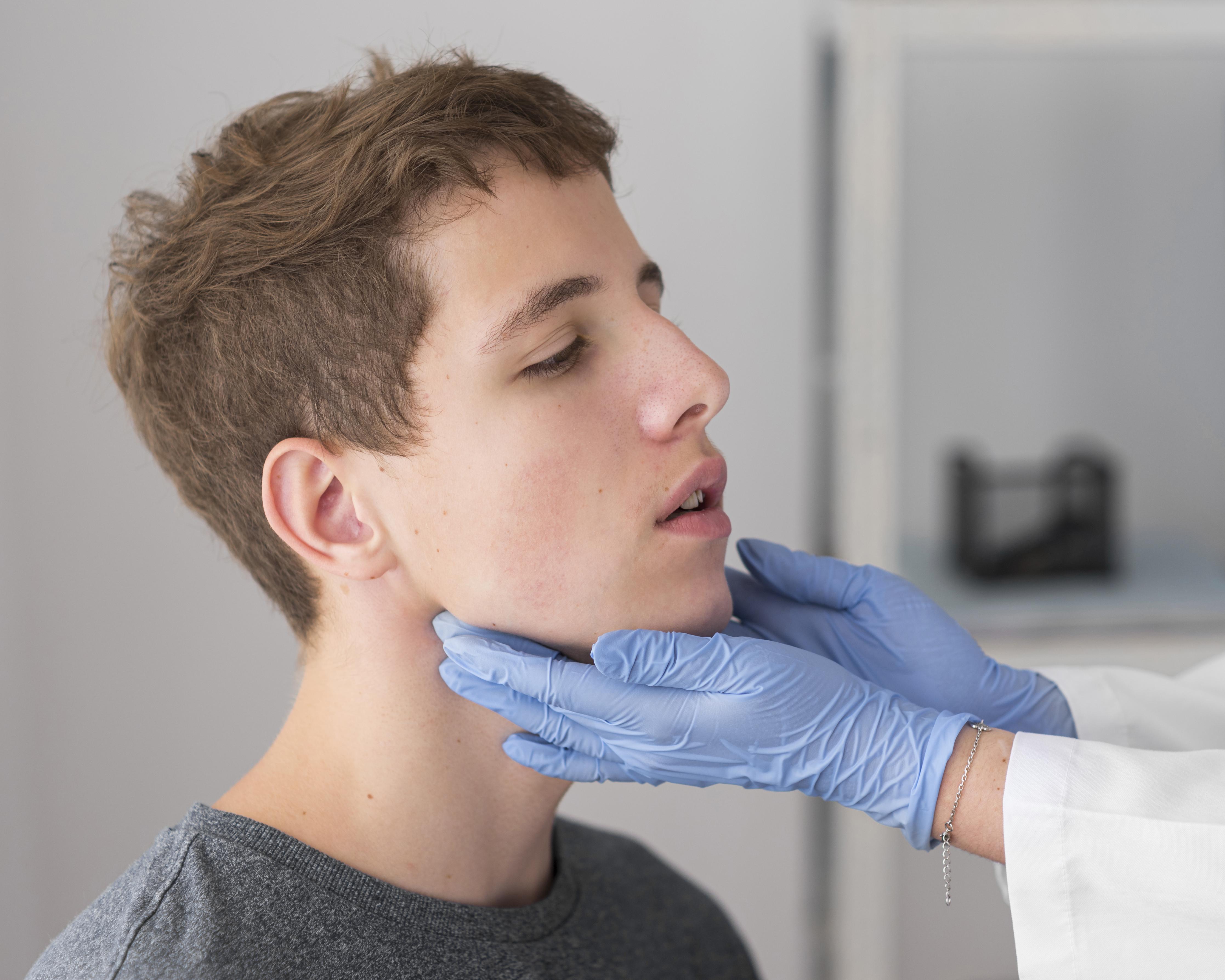
A myofunctional therapist is specially trained to assess oral muscle function and identify dysfunctional patterns. They perform detailed evaluations that may include:
Breathing assessment
Tongue posture evaluation
Swallow pattern analysis
Jaw mobility examination
Habit review
Based on findings, the therapist creates a customized exercise program. Sessions typically include guided practice, progress monitoring, and education for long-term success.
Collaboration is often key. Myofunctional therapists frequently work alongside dentists, orthodontists, ENTs, and speech-language pathologists to ensure comprehensive care.
Conclusion
Orofacial myofunctional therapy is a powerful, holistic approach to improving breathing, swallowing, speech, posture, and facial development. By targeting the root cause—muscle dysfunction—it offers lasting benefits for both children and adults.
Working with a qualified myofunctional therapist can transform oral habits, enhance quality of life, and support overall health. Whether you're seeking support for your child’s development or looking for relief from chronic jaw discomfort, this therapy offers a proactive and effective solution.
Frequently Asked Questions
1. What is orofacial myofunctional therapy used for?
Orofacial myofunctional therapy is used to correct improper tongue posture, mouth breathing, swallowing disorders, speech issues, and jaw dysfunction.
2. How long does orofacial myofunctional therapy take?
Treatment typically lasts between 3 and 6 months, depending on the severity of the condition and patient consistency.
3. Is orofacial myofunctional therapy painful?
No, it is non-invasive and exercise-based. Patients may experience mild muscle fatigue, similar to regular physical exercise.
4. At what age can a child see a myofunctional therapist?
Children as young as 2-3 years old can benefit, especially if harmful oral habits are present.
5. Can adults benefit from orofacial myofunctional therapy?
Yes. Adults often see improvements in TMJ pain, sleep quality, swallowing function, and posture.
