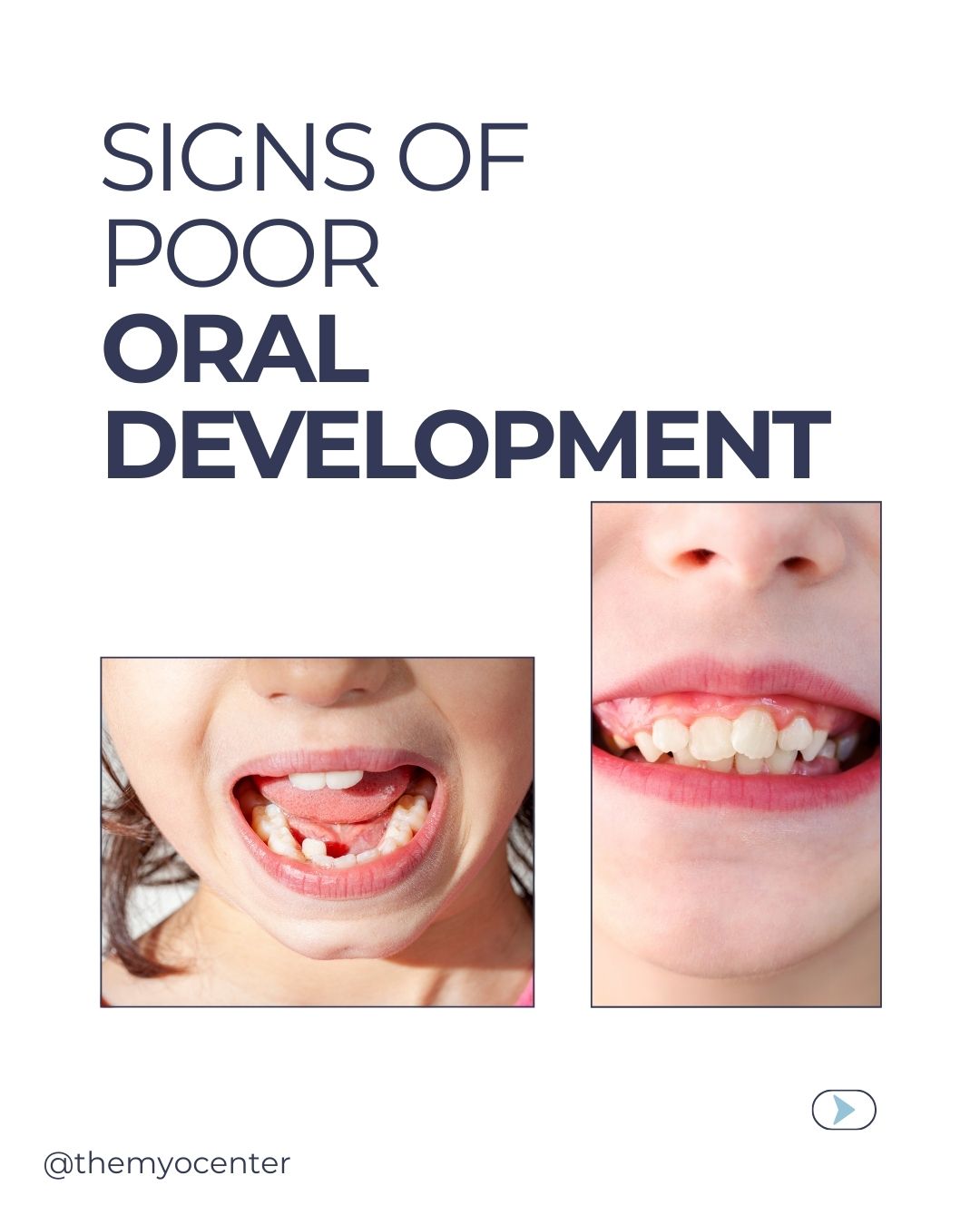
Why Teeth Move Back: Insights from an Orthodontic Relapse Specialist
Achieving a perfect smile with braces or clear aligners is a major milestone, but what happens when your teeth start shifting back after treatment? This common issue, known as orthodontic relapse, can be frustrating and discouraging. Understanding why teeth move back, how to prevent it, and when to seek professional guidance is essential for maintaining long-term results. In this blog, we explore the insights of an Orthodontic Relapse Specialist and the role of Myofunctional Therapy Evaluation in preserving your smile.
What is Orthodontic Relapse?
Orthodontic relapse occurs when teeth gradually move back toward their original positions after orthodontic treatment. Even if your braces or aligners were perfectly fitted, the natural forces in your mouth—like tongue pressure, chewing patterns, and facial muscles—can influence teeth alignment over time.
Relapse can happen in several ways:
Crowding of front teeth
Shifting of molars or premolars
Rotation or tilting of previously aligned teeth
While relapse is common, it is preventable with proper care and guidance from a specialist.
Causes of Orthodontic Relapse
Natural Aging and Bone Changes
As we age, our jawbones undergo minor changes that can affect tooth alignment. Even a small shift can cause previously straight teeth to crowd or rotate.Tongue and Lip Pressure
Incorrect tongue posture or frequent lip sucking can push teeth out of alignment. A Myofunctional Therapy Evaluation can identify these habits and provide corrective exercises.Inconsistent Retainer Use
Retainers are crucial for maintaining orthodontic results. Skipping or inconsistent use allows teeth to drift.Gum and Periodontal Issues
Gum disease or bone loss can weaken the support around teeth, increasing the risk of relapse.Genetics
Some people are naturally more prone to crowding due to jaw size and tooth size discrepancies.
How an Orthodontic Relapse Specialist Can Help
An Orthodontic Relapse Specialist focuses on identifying the cause of tooth movement and developing personalized strategies to prevent further shifting. Their approach typically includes:
Assessment of Teeth and Bite – Detailed examination of alignment, bite patterns, and jaw function.
Retainer Optimization – Recommending the right type of retainer and usage schedule.
Monitoring Growth and Aging – Especially important for younger patients or adults with minor bone changes.
Integrating Myofunctional Therapy – Collaborating with a Myofunctional Therapy Evaluation to address tongue posture, swallowing, and breathing habits that influence relapse.
Role of Myofunctional Therapy Evaluation
A Myofunctional Therapy Evaluation examines the function of oral and facial muscles, including:
Tongue position at rest
Swallowing patterns
Lip seal and nasal breathing
Jaw posture
By addressing dysfunctional habits, therapy strengthens the muscles that support teeth, reducing the likelihood of relapse. For instance, retraining the tongue to rest against the roof of the mouth instead of pushing against the teeth can prevent forward movement of front teeth.
Preventing Orthodontic Relapse
Prevention is always better than correction. Here are some key strategies:
Consistent Retainer Use
Follow your orthodontist’s instructions. Even nighttime wear alone can be highly effective.Regular Check-Ups
Visiting your Orthodontic Relapse Specialist periodically ensures early detection of any minor shifting.Incorporate Myofunctional Therapy
A Myofunctional Therapy Evaluation and targeted exercises can retrain oral muscles and stabilize teeth.Maintain Good Oral Hygiene
Healthy gums and bone support prevent teeth from loosening and shifting.Avoid Harmful Habits
Thumb-sucking, nail-biting, or using teeth as tools can all contribute to relapse.
Signs Your Teeth May Be Relapsing
Crowding or spacing that was previously corrected
Slight tilting or rotation of teeth
Difficulty fitting your retainer
Bite changes or jaw discomfort
If you notice any of these signs, consulting an Orthodontic Relapse Specialist promptly can prevent more extensive treatment later.
FAQ
1. How soon after braces can orthodontic relapse occur?
Relapse can start immediately after braces are removed if retainers are not used consistently. Most noticeable shifts occur within the first 6–12 months.
2. Can adults still correct relapse?
Yes. Adults can benefit from retreatment, retainers, and Myofunctional Therapy Evaluation to address muscle habits that contribute to shifting.
3. Are clear retainers as effective as fixed ones?
Both types are effective if used correctly. The choice depends on lifestyle, oral habits, and the advice of your specialist.
4. How does myofunctional therapy prevent teeth from moving back?
It strengthens the muscles around the mouth, retrains tongue posture, and improves swallowing and breathing patterns, which reduces pressure that can shift teeth.
5. Do I need a full orthodontic retreatment if relapse occurs?
Not always. Minor relapse can often be managed with retainers, minor adjustments, or targeted therapy. Your specialist will evaluate the best approach.
